




Apartment insurance can protect more than just the walls and structural elements. Property inside the home can also be insured: furniture, household appliances and electronics, interior finishes, decorative items and other personal belongings. Superpolis.md states that personal property inside an apartment can be insured separately from the walls and structural elements. When choosing a policy, it is important to determine exactly what is covered, select an appropriate insured amount and clarify in advance the conditions that apply to expensive or valuable items.
When people talk about property insurance, many think first of protecting the apartment or house itself: the walls, floors and other structural elements. However, a significant part of the actual expenses faced by an owner or tenant is related to what is inside the home.
A fitted kitchen with appliances, furniture, televisions, computers, flooring, interior doors, plumbing fixtures and other belongings can be worth tens or even hundreds of thousands of lei. In the event of a fire, serious water leak, theft or another insured event, a substantial part of the financial loss may come from damage to the renovation and the contents of the apartment.
That is why you can insure not only the property itself, but also the belongings inside it. The Superpolis.md property insurance page states that furniture, appliances, valuables and other personal belongings can be included in the policy and, where necessary, coverage for the contents can be considered separately from the walls and structural elements.
Why many people think only the property itself can be insured
The reason is simple: the phrase “insure an apartment” is usually understood as insuring the real estate itself. In practice, however, insurance coverage may consist of several separate components.
Depending on the product, it may be possible to insure:
- structural elements of an apartment or house;
- interior finishes and renovation;
- movable property inside the premises;
- civil liability towards third parties;
- additional risks provided for in the contract.
For example, after a serious water leak, the walls as structural elements may suffer almost no damage, while the owner may still need to replace laminate flooring, restore the ceiling, repair the fitted kitchen and purchase new household appliances.
That is why, when taking out insurance, it is more useful to ask not simply “is the apartment insured?”, but which categories of property are included in the policy and what insured amount applies to each of them.
You can read more about how coverage and the policy price are determined in the article “Property insurance in Moldova: what the policy covers and how to calculate the cost”.
What counts as property inside an apartment
The exact list depends on the contract, but apartment contents insurance may include belongings that are kept inside the home and belong to the insured person.
For example:
- sofas, beds, wardrobes, tables and other furniture;
- refrigerators, washing machines and dishwashers;
- televisions and other household appliances;
- computers, laptops and other electronic equipment;
- decorative items;
- carpets, curtains and textiles;
- lighting fixtures;
- household items;
- other personal belongings.
Interior finishes or renovation may be treated as a separate category. This can include flooring, decorative wall and ceiling finishes, interior doors, built-in elements and other parts of the renovation.
The level of finishing and equipment affects the insured amount: the more expensive the renovation, furniture and appliances, the higher the level of coverage that may be required.
How contents insurance differs from insurance for walls and structural elements
The main difference is which part of the property is protected by the contract.
Insurance for structural elements relates to the real estate itself: the walls and other parts of the premises included in the contract.
Insurance for interior finishes relates to the renovation and finishing works inside the apartment.
Movable property insurance protects the belongings inside the home: furniture, appliances, electronics, household items and other possessions.
For example, in a fire, several categories may be damaged at the same time:
- structural elements of the premises;
- the ceiling, flooring and finishes;
- furniture;
- appliances;
- personal belongings.
If the policy applies to only one category, damage to the others may fall outside the coverage. That is why it is important to look not only at the total insured amount, but also at how it is allocated between different categories of property.
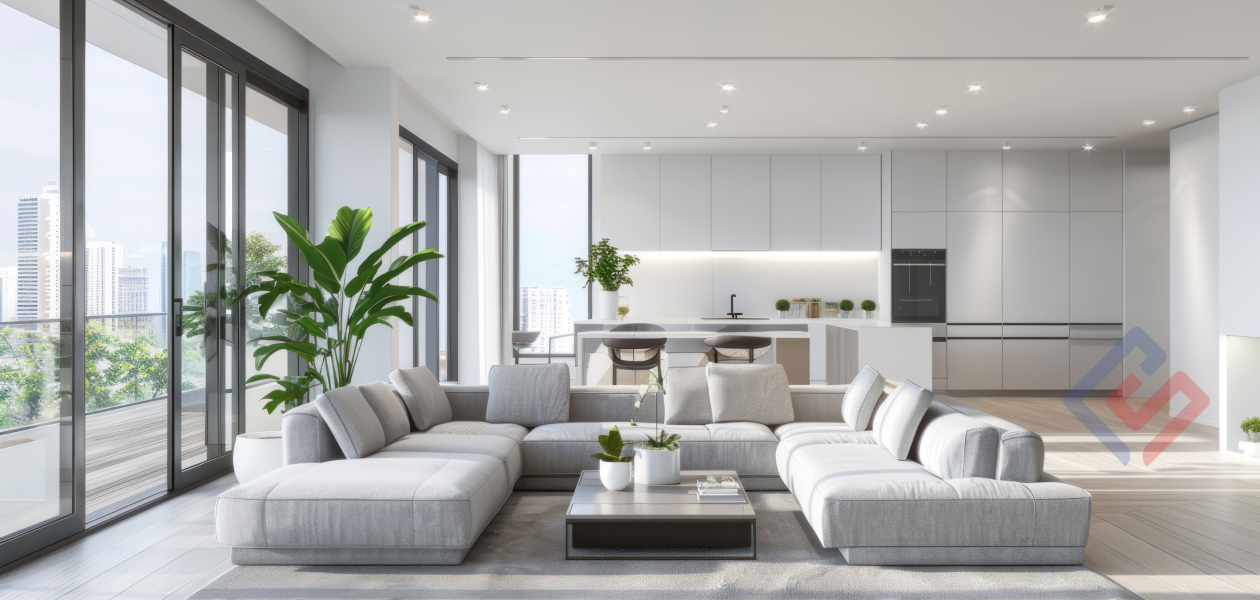
What risks can apartment contents be insured against?
The list of covered events is determined by the specific contract. Having an insurance policy does not mean that compensation will automatically be paid for every type of damage.
Superpolis lists fire, water damage, natural disasters, theft, vandalism and other events specified in the contract among the possible risks.
Fire
A fire can damage not only the premises, but also furniture, household appliances, electronics, clothing and other belongings.
Even if the fire starts in a neighbouring apartment, the contents of your home may be damaged by smoke, high temperatures or water used to extinguish the fire.
Water damage
A burst pipe, flooding caused by neighbours or another sudden water leak can damage furniture, electronics, flooring and interior finishes.
Theft
If theft is included as a covered risk, the insurance may cover property lost as a result of an event specified in the policy.
It is particularly important to clarify the conditions in advance for expensive electronics, jewellery, collections and other valuable items.
Vandalism and actions of third parties
Damage to furniture, appliances, doors, windows or other belongings caused by unlawful actions of third parties may also be covered if this is expressly provided for in the contract.
When separate insurance for apartment contents may be considered
Separate insurance covering only the belongings inside an apartment is not very common, but in some cases insurance companies may consider such an option individually. It may be relevant when the owner or tenant wants to protect primarily the furniture, appliances, renovation and other belongings inside the home rather than the property itself.
You rent an apartment
The tenant does not own the real estate, but may own the appliances, furniture, computer, clothing and other belongings inside it.
In this case, insuring the landlord’s walls may not be relevant to the tenant, while protecting their own belongings may make sense.
The apartment belongs to relatives
A person may live in an apartment owned by their parents or other relatives while having purchased the furniture, appliances and some of the equipment themselves. Ownership of the apartment and ownership of the items inside it may therefore be different.
The property is already insured separately
The real estate may already be insured under another contract, for example in connection with a mortgage or collateral, while the owner may need additional protection for the renovation and contents.
Most of the value is concentrated inside the apartment
Sometimes the most valuable part is the renovation and equipment: a fitted kitchen, appliances, furniture, electronics and flooring.
In this situation, the financial consequences of a fire or flooding can be significant even if the structural elements are not seriously damaged.
Which items should you photograph or describe in advance?
The more expensive the property, the more useful it is to have evidence that it was present in the apartment and to document its condition before an incident occurs.
It is particularly useful to record:
- televisions;
- computers and laptops;
- expensive household appliances;
- furniture;
- fitted kitchens;
- expensive decorative items;
- collections;
- other valuable items, if they are accepted for insurance.
You can take general photographs of each room as well as separate photographs of the most expensive items.
For appliances and electronics, it is useful to keep:
- receipts;
- warranty documents;
- model details;
- serial numbers;
- other evidence of value and specifications.
However, photographs alone do not guarantee a particular compensation amount. The insurer assesses the loss in accordance with the contract, insured amount, limits, nature of the event and documents related to the insurance claim.
How to estimate the approximate value of your belongings
One common mistake is significantly underestimating the value of the contents of an apartment because the items were purchased gradually over time.
A convenient approach is to go through each room and make a simple list.
Kitchen:
kitchen furniture, refrigerator, oven, hob, dishwasher, table and other items.
Living room:
sofa, television, furniture, lighting, appliances and decorative items.
Bedroom:
bed, wardrobe, chest of drawers, appliances and personal belongings.
Work area:
computer, monitor, laptop, peripherals, desk and other equipment.
The renovation can be estimated separately: flooring, doors, fitted furniture, finishes and other elements if they fall within the insured category.
The goal is not to remember the original price of every item down to the last leu, but to get a realistic idea of the cost you would face if the property had to be repaired or replaced.
Should valuable items be listed separately?
Ordinary furniture and household appliances may be insured under standard conditions, but expensive or unusual items are better discussed separately.
This is particularly relevant for:
- jewellery;
- works of art;
- collections;
- professional equipment;
- expensive electronics;
- antiques and rare items.
Separate limits, valuation requirements or an obligation to list the item in the contract may apply.
Therefore, you should not assume that a valuable item is automatically fully covered simply because the contract refers to “property inside the apartment”.
What exclusions may apply under the contract?
Terms vary between insurers, so it is important to read not only the list of covered events but also the exclusions.
A policy may exclude or limit coverage for:
- natural wear and tear;
- pre-existing defects;
- gradual leaks;
- damage caused by lack of maintenance;
- intentional acts;
- property not included in the contract;
- certain categories of valuable items;
- events that occurred before the policy start date;
- other exclusions expressly stated in the contract.
It is especially important to distinguish between a sudden event and a problem that developed over a long period. For example, a sudden burst pipe and a leak that continued for months because of an old defect may be treated very differently.

How to arrange contents insurance through a broker
If you want to insure specifically the contents of the apartment, it is best to mention this from the outset. This allows the specialist to consider options based on the belongings, renovation and relevant risks rather than only the value of the real estate itself.
Through Superpolis.md, you can submit an online request.
The broker helps compare offers from several insurance companies, choose the appropriate structure of coverage and determine a suitable insured amount.
FAQ
Can I insure only the furniture and appliances without insuring the apartment itself?
Yes. Personal property inside the apartment — furniture, appliances and valuables — can be insured separately from the walls and structural elements. The specific conditions depend on the chosen insurance product and insurer.
Can renovation be insured separately?
Interior finishes may be treated as a separate category of insured property. You should clarify what exactly is considered part of the interior finishes under the specific contract and what insured amount applies to this category.
What happens if my apartment is flooded by neighbours?
If the policy includes water damage and the affected property is covered, the insurer may consider compensation within the terms and limits of the contract.
Does insurance cover the theft of appliances?
It may, provided that theft is included as a covered risk and the conditions of the insured event are met.
Do I need to keep receipts for all furniture?
This depends on the insurer and the category of property. For expensive appliances and valuable items, receipts, photographs, model details and serial numbers may make it easier to confirm their characteristics and value.
What insured amount should I choose?
It should reasonably correspond to the value of the property you want to protect. An amount that is too low may be insufficient in the event of major damage.
Can the apartment, renovation and contents be included in one policy?
Yes. Insurance solutions may include several categories of protection. Through Superpolis, you can choose an option that combines protection for the property itself, its contents and civil liability.
Are jewellery items automatically insured?
You should not assume so. Separate limits and special conditions may apply to expensive and valuable items, so it is better to declare them separately when arranging the policy.
Request a quote for insuring the contents of your apartment
You can insure more than just the apartment as a real estate asset. If furniture, household appliances, renovation, electronics and other belongings inside the home are more important to you, coverage can be selected to address those specific needs.
Before taking out insurance, it is worth estimating the approximate value of your property, identifying the most relevant risks and separately clarifying the conditions that apply to expensive items. It is also useful to check the insured amounts, limits, deductible, exclusions and whether civil liability towards neighbours is included.
→ Request a quote for insuring the contents of your apartment